Harefield Village green wedding flowers that wow guests
Posted on 16/09/2026
If you are planning Harefield Village green wedding flowers that wow guests, you are probably after more than a pretty bouquet. You want flowers that suit the setting, hold their shape through the day, photograph beautifully, and still feel personal when guests walk in and take that first proper look around. That is the real job, and truth be told, it is a bit of an art.
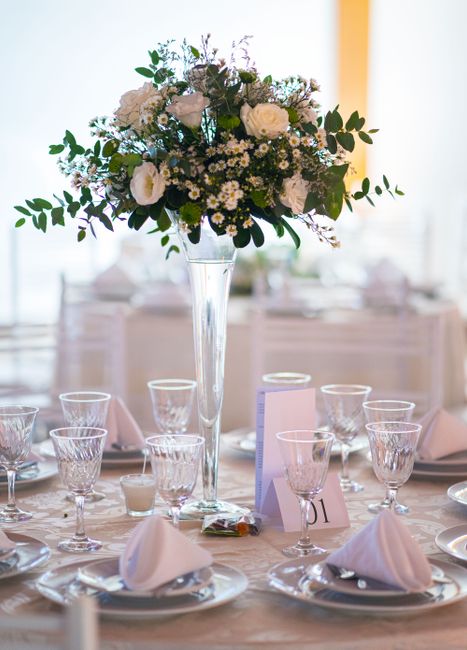
Village green weddings tend to feel relaxed, green, and close to nature, which gives you a lovely advantage. The flowers do not need to fight the setting. They can work with it. Soft whites, garden roses, trailing textures, and carefully placed seasonal blooms can make everything feel intentional rather than overdone. In this guide, you will find practical ideas, planning advice, common pitfalls, and a simple way to choose arrangements that leave a real impression without looking like they are trying too hard. And let's face it, "effortless" usually takes some effort.
Why Harefield Village green wedding flowers that wow guests Matters
Flowers do a lot of quiet work at a wedding. They set the tone before speeches begin, soften a room or marquee, and help tie together outfits, stationery, and the wider colour palette. On a village green, they matter even more because the setting already has personality. You are not decorating a blank box. You are responding to an environment that may include grass, trees, natural light, passing weather, and a view that guests will remember whether you plan for it or not.
The right flowers help the day feel cohesive. A rustic green space can look stunning with loose, garden-style designs, but it can also become muddled if everything is too busy or too heavy. Guests notice the detail, even if they do not name it. They notice whether the entrance feels considered, whether the tables carry the same mood as the bouquet, and whether the floral story feels complete from start to finish.
There is also a practical side. Village green weddings often involve less formal infrastructure than a hotel ballroom or dedicated event venue. That means flowers may need to do a bit more visual lifting. A ceremony arch, a statement arrangement by the signing table, or a few well-dressed focal points can create definition without overcrowding the space. The result is warmth, not clutter.
Expert summary: The best village green wedding flowers are not simply large or expensive. They are well-placed, seasonally sensible, and designed to suit the light, layout, and pace of the day.
How Harefield Village green wedding flowers that wow guests Works
At a high level, the process is simple: you match the floral design to the venue, the season, and the number of moments you want to elevate. In practice, the workflow is a mix of style decisions and logistics. Start with the ceremony zone, move to the reception area, then think about personal flowers and guest-facing details.
A useful way to think about it is in layers:
- Anchor pieces such as the bouquet, ceremony focal point, or table feature arrangements.
- Supporting flowers like bridesmaid bouquets, buttonholes, and small table accents.
- Atmosphere flowers that create a sense of abundance, for example urns, meadow-style stems, or entrance arrangements.
If you are looking at local wedding flowers in Harefield, you will often want designs that feel fresh rather than stiff. That usually means looser shapes, layered textures, and colours that sit naturally in daylight. A soft ivory-and-green palette can feel calm and elegant, while blush, mauve, or richer rose tones add a little drama without overpowering the scene.
Seasonality matters too. Spring and summer blooms bring a different rhythm from autumn flowers. In warm weather, some varieties hold up better than others, especially if the day involves time outdoors. In our experience, the most successful plans are the ones that leave room for sensible substitutions. You may have a favourite flower in mind, but a good florist will often suggest an alternative that lasts better, opens more beautifully, or simply makes more sense for the date.
For couples exploring wedding collections, the decision is often less about picking one perfect bouquet and more about building a consistent floral language across the day. That consistency is what makes guests say, "Ah, this all works," even if they cannot quite explain why.
Key Benefits and Practical Advantages
Well-planned wedding flowers are not just decorative. They support the whole guest experience. They guide the eye, define spaces, and add a sense of occasion that a bare venue rarely achieves on its own.
- Stronger first impressions: Guests feel the mood instantly when the ceremony space and entrance are styled with care.
- Better photographs: Good flowers frame people naturally and give the photographer richer layers, colour, and depth.
- More coherence: Bouquets, buttonholes, and table flowers can make the wedding look intentionally designed rather than pieced together.
- Flexible styling: You can go romantic, modern, classic, or meadow-inspired without fighting the village green setting.
- Seasonal value: Choosing in-season stems often gives better freshness, better shape, and fewer last-minute compromises.
There is also a guest comfort angle that people forget. Large floral installations can block sightlines or crowd tables. That is not what you want. The best guest-wowing designs feel generous, but they still leave space to talk, eat, and move around easily. A wedding should feel beautiful, yes. It should also feel easy.
Another practical advantage is that flowers can quietly solve awkward visual gaps. If the village green has a temporary structure, mixed surfaces, or a few utilitarian details that are not very romantic, flowers soften them quickly. A few well-placed arrangements can turn "temporary event setup" into "thoughtful celebration" in a way that really does make a difference.
Who This Is For and When It Makes Sense
This approach suits couples who want a wedding that feels elegant but not overbuilt. It is particularly useful if your day has an outdoor, semi-outdoor, or marquee feel and you want the flowers to create the atmosphere. If you are working with a village green setting, flowers often become the most effective visual tool you have.
It makes sense for you if:
- you want guests to remember the day as stylish, warm, and thoughtfully put together;
- you like natural textures and romantic designs rather than rigid, formal arrangements;
- you need your floral choices to work in daylight and possibly changeable British weather;
- you want one clear design story across the ceremony, tables, and personal flowers;
- you are trying to balance impact with practicality, which is fair enough, because weddings can get expensive quickly.
This also suits couples who are not entirely sure where to start. A lot of people come in knowing they want "something pretty" and "not too much pink," which is a perfectly normal starting point. The job then becomes translating that into a usable scheme. Do you want classic roses? Meadow-style mixed flowers? White and green? A softer summer mix? Those are the kinds of decisions that shape the whole day.
If you are still building out the wider wedding plan, it can help to look at a broader local florist offering such as a Harefield florist for coordination, plus the specific bridal bouquet options and buttonholes that will sit alongside them.
Step-by-Step Guidance
If you want flowers that genuinely wow guests, a tidy process helps a lot. Here is a simple, realistic way to approach it.
- Start with the setting. Look at the green, the ceremony spot, the indoor fallback space if there is one, and the table layout. Decide where the flowers need to work hardest.
- Choose your colour direction. Keep it tight. Two to four main colours is usually enough. Whites, greens, blush, soft lilac, and muted peach all work nicely in a natural setting.
- Pick your hero flowers. These are the flowers guests will notice first, such as roses, lilies, orchids, hydrangeas, or seasonal garden blooms. The trick is not to cram in everything at once.
- Build the supporting pieces. Bridesmaid bouquets, buttonholes, and table arrangements should echo the main bouquet, not compete with it.
- Decide where to spend for impact. One or two strong focal points often do more than spreading budget thinly across lots of tiny arrangements.
- Check practical needs. Delivery timing, water supply, setup space, heat, shade, and transport all matter. Small details. Big consequences.
- Review the final look together. Make sure the floral style matches the dress, suits the venue, and feels right in daylight. If something feels too stiff or too busy, adjust it before the day.
A real-world example: if your ceremony is outdoors on the village green in late afternoon, you might choose a bouquet with creamy roses, soft eucalyptus-style greenery, and a touch of blush. Then you repeat that mood in buttonholes and a table arrangement or two. Nothing loud. Nothing fussy. It just lands well.
For couples who want a shortcut, a curated collection can be useful. A cohesive range like the I Cherish You wedding collection or the Pure Romance wedding collection can make the decision process calmer, especially if you are comparing styles and do not want to start from scratch.
Expert Tips for Better Results
Here is where the difference between "nice flowers" and "guests are still talking about them" really starts to show. Small choices matter more than people think.
- Use contrast carefully. Soft flowers look better when they have just enough texture to stop them going flat. A mix of petals, foliage, and shape creates depth.
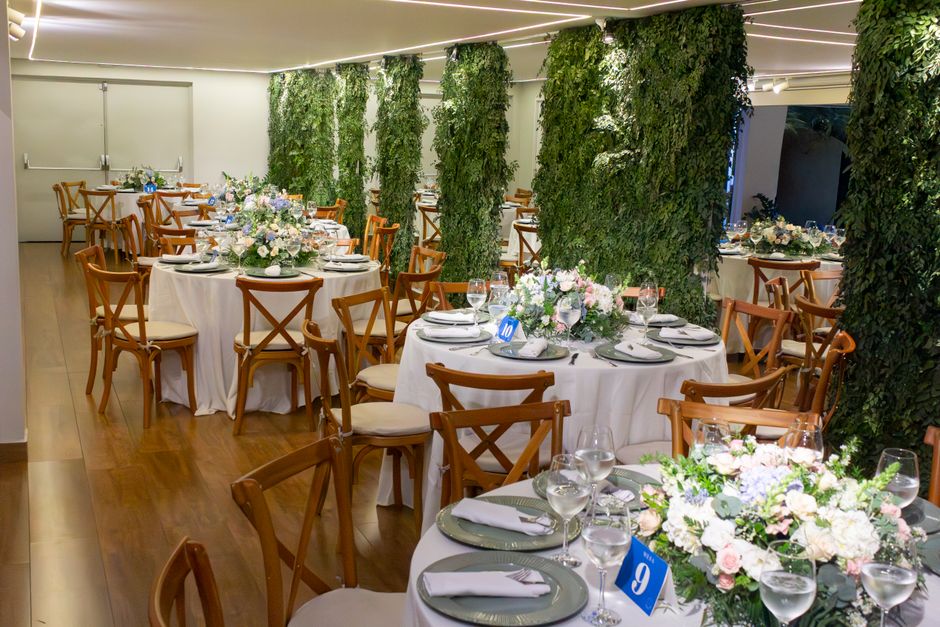
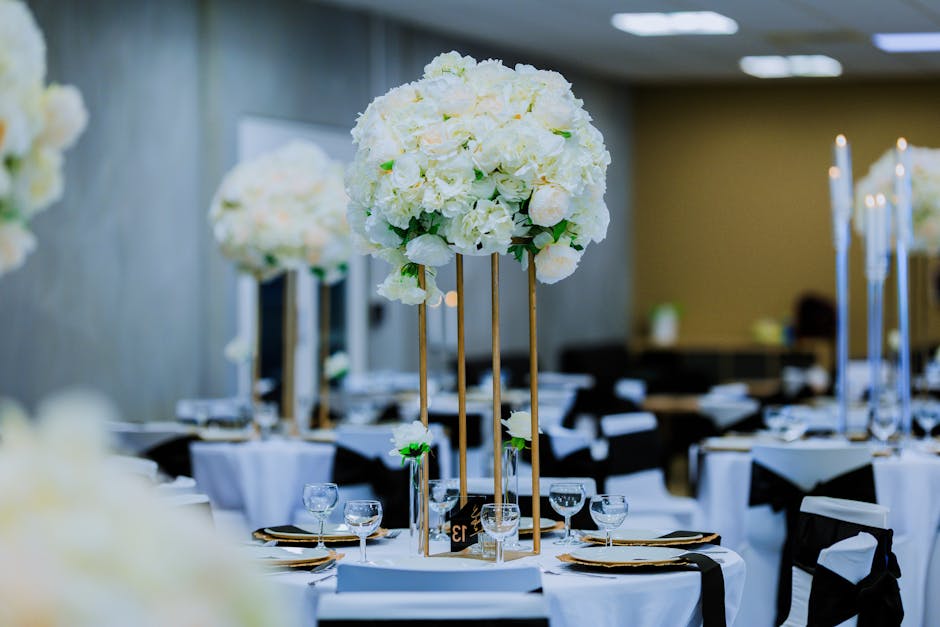
- Match scale to the venue. In a village green setting, oversized arrangements can feel awkward if the rest of the day is quite relaxed. Big is not always better.
- Protect the bouquet shape. Ask for a design that still looks good after a morning of holding, photos, and moving from place to place.
- Think in photographs. Some flowers look lovely in person but disappear on camera. Others pop beautifully in daylight. The camera is a picky guest, frankly.
- Keep scent in mind. A little fragrance can be beautiful. Too much can overwhelm people indoors or near the dining area.
One of the most useful expert habits is to repeat a flower or colour in three places: bouquet, ceremony feature, and table or buttonhole detail. That repetition creates unity without feeling matchy-matchy. It is a simple trick, but it works almost every time.
If sustainability matters to you, ask for reusable vessels, seasonal stems, and designs that can be repurposed after the ceremony. A bouquet that can be moved to the top table or a ceremony arrangement that later dresses the reception space gives you more value and less waste. That is just smart planning, really.
And do not ignore the weather. A breezy afternoon near open grass can be lovely, but it can also flatten delicate petals or dry out exposed arrangements. Shade, hydration, and timing are not glamorous details, but they save the day more often than people realise.
Common Mistakes to Avoid
Some wedding flower problems are easy to prevent if you spot them early. A lot of them come from enthusiasm, which is understandable. You fall in love with five different bouquet styles, a dozen colours, and suddenly the plan is a bit wobbly.
- Choosing too many colours: A broad palette can look scattered on the day. Narrow it down and let texture do some of the work.
- Ignoring the venue scale: Tiny arrangements may vanish in a larger setting, while huge ones can overpower intimate areas.
- Forgetting the weather: Delicate flowers may struggle in heat, wind, or direct sun.
- Leaving personal flowers as an afterthought: Bridesmaid bouquets and buttonholes should support the main design, not be random add-ons.
- Overcrowding the tables: Guests need space to see each other across the table. That matters more than it sounds.
- Not planning delivery timing: Fresh flowers need sensible handling, especially if the ceremony and reception are not in the same place.
Another common slip is assuming every "wedding flower" image online is equally practical. Some are styled for a big editorial shoot, not an actual wedding day with guests, cake, speeches, and moving parts. You can absolutely borrow the mood. Just not the chaos. Not all inspiration is meant to be copied literally.
If you want a balanced approach, look at a florist's broader range as a reality check. Pages such as luxury flowers and best sellers can be helpful for understanding the kind of style and finish the business commonly produces, without forcing the wedding into a generic template.
Tools, Resources and Recommendations
You do not need a huge toolkit to make the right floral choices, but a few practical resources make planning much easier.
- Venue photos: Daylight images of the ceremony and reception space help you judge scale and colour far better than vague descriptions.
- Dress and suit swatches: Even a phone photo of fabrics can help with colour matching.
- Guest table layout: This shows where arrangements can sit without blocking conversation.
- Seasonal flower guidance: Use it to stay realistic about what will look at its best on your date.
- Care instructions: Simple handling advice matters for bouquets, buttonholes, and table flowers.
For day-to-day flower care, a trusted care guide can make a real difference if you are storing arrangements briefly before the wedding or looking after the bouquet afterwards. It is one of those unglamorous things that saves money and frustration. You can also review the shop's broader flower care guidance and delivery information to understand handling expectations and timing.
When comparing styles, the following wedding-focused products can help you narrow the look:
- a bridal bouquet with a softer, refined feel
- a coordinated bridesmaid bouquet
- a polished centrepiece option for tables
- a classic white rose wedding arrangement
Those kinds of references are useful because they show how the florist handles shape, balance, and finish. That is often more helpful than a vague promise of "beautiful flowers." Everyone says beautiful. The details tell you what beautiful actually means.
Law, Compliance, Standards, or Best Practice
Wedding flowers are not a heavily regulated service in the way some other industries are, but there are still sensible standards and best practices to keep in mind. If your wedding is on private land, at a registered venue, or on a village green with specific permissions, the practical rules around setup, access, and timing should be confirmed with the venue or organiser. That part is usually straightforward, but it should never be assumed.
From a florist's point of view, good practice includes clear order confirmation, realistic timing, safe handling of fresh stems, and transparent communication if substitutions are needed. Seasonal variation is normal in floral work. A trustworthy florist will tell you if a requested bloom is not ideal for the date and suggest something similar in style and effect.
Some UK wedding settings also require care around access routes, temporary structures, and delivery windows. If flowers are being moved across grass or set up near communal areas, the setup should avoid damage and keep guests safe. It sounds obvious, but weddings are busy, and little trip hazards have a funny way of appearing when everyone is rushing. Shoes, cables, buckets, ribbons - all the usual suspects.
Best practice for the couple is simple:
- confirm setup times in writing if possible;
- ask where flowers will be placed before and after the ceremony;
- check whether arrangements can be reused across the day;
- agree any substitutions in advance where you want a specific look.
If you are ordering alongside other celebrations, such as anniversary bouquets or thank-you gifts, it can be useful to keep your flower supplier consistent. A single trusted florist makes communication easier, and that reduces the chances of crossed wires on an already full wedding week.
Options, Methods, or Comparison Table
There is no single right way to style a village green wedding. The best choice depends on your budget, the size of the event, and the atmosphere you want. Here is a straightforward comparison.
| Approach | Best for | Strengths | Possible drawback |
|---|---|---|---|
| Classic white and green | Timeless, elegant weddings | Clean, fresh, works in daylight, easy to coordinate | Can feel understated if you want more drama |
| Soft blush and rose tones | Romantic, warm celebrations | Flattering on camera, gentle and welcoming | Needs careful balance so it does not become overly sweet |
| Mixed seasonal meadow style | Relaxed village green settings | Natural, airy, suits outdoor surroundings beautifully | Can look untidy if too many varieties are added |
| Luxury focal-point design | Smaller guest counts or high-impact styling | Creates memorable visuals with fewer but stronger pieces | May need a larger share of the budget in fewer places |
For many couples, a hybrid approach works best. A simple, elegant bridal bouquet can sit alongside one or two statement pieces, then the tables can be kept lighter and more practical. That combination often gives the best return on effort and budget.
If you are still weighing up style direction, the White Wonders wedding collection and the True Happiness wedding collection are useful reference points for different levels of softness and polish.
Case Study or Real-World Example
Here is a realistic example based on a typical village green wedding brief. The couple wanted the flowers to feel "lovely, but not too formal." They also wanted guests to notice the styling immediately without the venue looking crowded.
The final plan used a soft white-and-green palette with a gentle blush accent. The bridal bouquet was full but loose, with roses and textured greenery. Bridesmaid bouquets echoed the same shape in a slightly lighter version. Buttonholes were kept clean and simple so they would hold up well during the day. For the tables, the florist used a small number of low arrangements rather than tall pieces, which kept conversation easy and let guests see the room.
The biggest win was the ceremony focal point. It gave the space definition, which is often what a village green setup needs most. Without it, the background would have felt a little open and unfinished. With it, the whole scene looked purposeful. Guests noticed the details, but they never felt overpowered by them.
That is the sweet spot, really. The flowers should become part of the memory, not the main event. They should lift the day, frame the people, and then quietly do their job in the photographs afterwards.
If you want a similar feel, a combination of wedding table arrangements and a coordinated bridesmaid bouquet can provide the polish without making the design feel heavy.
Practical Checklist
Use this checklist before you finalise your wedding flowers. It is simple, but it catches a lot of little issues.
- Have you chosen a main colour direction?
- Do the flowers suit the village green setting and the season?
- Have you decided which arrangements need the most visual impact?
- Are the bouquet, buttonholes, and table flowers all coordinated?
- Have you checked delivery and setup timing?
- Do you know where each arrangement will be placed on the day?
- Have you considered shade, heat, or wind exposure?
- Are substitutions acceptable if a stem is unavailable?
- Will any arrangements be reused from ceremony to reception?
- Have you asked for care advice if flowers need to be held briefly before use?
Quick takeaway: if you can answer those ten points confidently, you are in good shape. The flowers will not only look better, they will be easier to manage. And on a wedding day, easier is gold.
Conclusion
Harefield Village green wedding flowers that wow guests are usually the result of good judgement, not excess. The best designs suit the setting, respect the season, and create a clear visual story from the first look to the last photograph. They feel natural in the landscape, but still polished enough to make people pause and smile when they arrive.
Focus on a strong colour palette, keep the scale honest to the venue, and make sure the bouquet, buttonholes, table pieces, and focal arrangements all speak the same language. That consistency is what creates the "wow" effect. Not shouting. Just confidence, shape, and a bit of floral charm.
If you are still shaping your plans, it is worth looking at trusted wedding-focused collections, comparing a few styles side by side, and choosing the option that feels right in real life rather than just on a screen. Weddings have enough moving parts as it is. Good flowers should make the day feel calmer, not more complicated.
Get a free quote today and see how much you can save.
And if you keep the flowers thoughtful, seasonal, and true to the setting, they will do something quietly lovely: they will help people remember how it felt to be there.
Frequently Asked Questions
What flowers work best for a village green wedding in Harefield?
Soft roses, seasonal garden flowers, hydrangeas, lilies, orchids, and textured greenery often work beautifully because they suit natural surroundings and photograph well in daylight. The best choice depends on the season and the look you want.
How many flower arrangements do I need for guests to notice the styling?
You usually need a strong bouquet, a ceremony focal point, and at least one or two visible reception features. You do not need flowers everywhere. A few well-placed pieces often have more impact than lots of small ones.
Are white and green wedding flowers a good choice for Harefield Village green weddings?
Yes, they are one of the safest and most elegant options. White and green feels fresh, timeless, and very suited to outdoor or semi-outdoor settings. It also works well with most dress styles and tableware.
Can wedding flowers be reused from the ceremony to the reception?
Often, yes. This is a practical way to stretch your budget and keep the design cohesive. Ceremony flowers can move to the entrance, top table, or dining space if the setup allows it.
How far in advance should I book wedding flowers?
It is wise to book as early as possible, especially for popular summer dates. Early planning gives you more choice over style, helps with seasonal flower selection, and makes the whole process less rushed.
What should I bring to a florist consultation?
Bring venue photos, colour ideas, dress or fabric details, guest table plans if you have them, and a rough budget range. Even a few phone pictures can help shape a better conversation.
Do seasonal flowers really make a difference?
Yes. Seasonal flowers are often fresher, better value, and more likely to hold their shape well on the day. They can also make the design feel more natural and less forced.
What is the biggest mistake couples make with wedding flowers?
The most common mistake is trying to include too many ideas at once. A clear palette and a small number of strong focal points usually look much better than a crowded, mixed-up design.
How do I make sure the flowers match the venue?
Share venue photos and describe the feel of the space. A village green may need softer, more relaxed arrangements than a formal hotel room. Think about scale, light, and how guests will move through the day.
Are large floral displays always better for impressing guests?
Not necessarily. Large displays can be stunning, but only if they suit the space. Sometimes a smaller number of carefully styled arrangements gives a more elegant and memorable result.
What if I want the flowers to look luxurious but still natural?
Focus on texture, quality blooms, and a calm colour palette rather than lots of bright tones. Luxury does not have to mean heavy or overworked. In fact, the most refined designs often look effortless.
Can I order wedding flowers through the same florist for other occasions too?
Yes, and that can be very convenient. If you are also arranging thank-you flowers, anniversary gifts, or other family pieces, keeping the same florist can make communication simpler and more consistent.